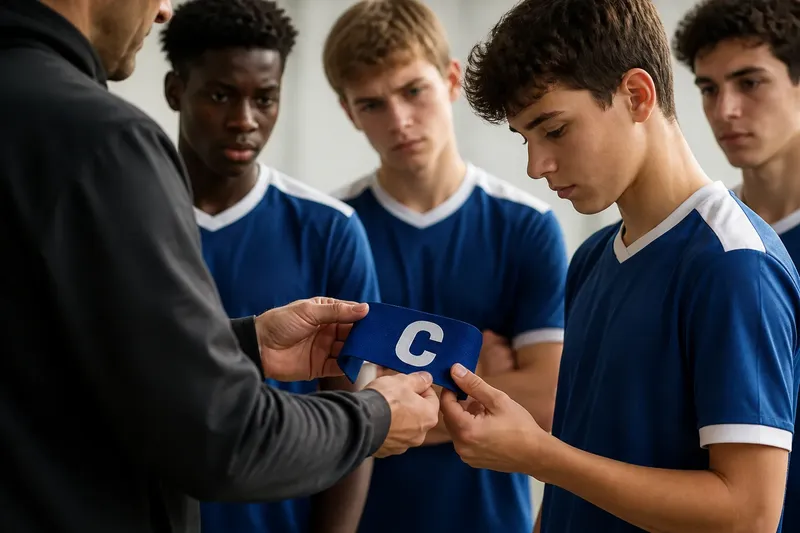
Your First Session in an Unfamiliar Club
Your first session in an unfamiliar club feels easier with a simple arrival plan: learn the flow, ask where to begin, and choose a natural introduction.
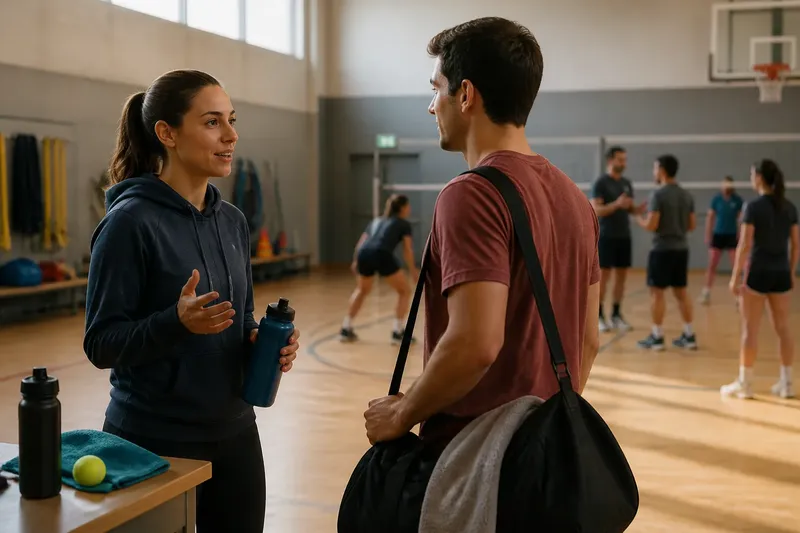
Your first session in an unfamiliar club can start with a small snag: you reach the gym, field, pool deck, or studio, and everyone else seems to know where to stand. Give yourself one job at a time. First, get oriented. Then ask where to begin. Introduce yourself when there is a natural opening. You do not need to understand the whole club before joining one session.
What should you do before you arrive?
Uncertainty often begins before the session, when you do not know which entrance to use, what to bring, or how early to show up. Check the club’s welcome message, website, or recent message from the organizer for the meeting place and any stated clothing or equipment guidance. If one detail is missing, ask a short, practical question in advance rather than guessing.
Keep your first-session kit simple: water, a change of clothes if useful, and only the equipment the club has asked you to bring. Pack it where you can find it quickly. If you are unsure whether the club supplies equipment, ask. Carrying extra gear can make an already unfamiliar arrival feel awkward.
Plan to arrive with enough time to find the meeting point without rushing. That does not mean you need to wait alone for a long stretch. If the venue is confusing, ask the organizer which entrance or landmark to look for. Save the contact details so you can send a brief message if you get turned around.
Follow the club’s own instructions for clothing, equipment, entry, and participation; where a detail depends on local rules or a facility policy, check with the organizer.
Before leaving, identify one person or message channel you can use if the plan changes.
Why can the arrival feel awkward?
The first minutes can feel harder than the activity itself because the routine is invisible to a newcomer. Regulars may move straight to a warm-up, collect shared equipment, or gather in a familiar corner. Their quick movements are usually a sign that they know the routine, not a signal that you are expected to know it too.
Another common snag is arriving at the wrong place or at a time when the group is already moving. This often happens when a venue has several entrances, courts, fields, or rooms. Do not try to infer the meeting point from a crowd at a distance. Ask the organizer or a staff member to point you to the right group.
Say you arrive at a sports hall and see activity on two courts. You are not sure which group is yours. Walk to the desk or find the coach and say, “Hi, I’m new to the club. Which court is the session on?” The useful result is immediate: you have a clear place to go and one person who knows you have arrived.
If you are early, stay near the stated meeting area rather than wandering through the facility. If you are late, go directly to the coach or organizer and ask where to join. A brief check-in is more helpful than trying to slip into a drill without knowing its purpose.
How can you learn the session’s flow?
A first visit is easier when you treat the session as a sequence to observe, not a test to pass. Notice where people gather, when the coach speaks, how equipment is shared, and what happens after one activity ends. You only need enough information to follow the next part.
Start by watching from the edge of the group if that is allowed. Look for a clear opening to ask whether you should join the warm-up, wait for instructions, or collect something. If people are already moving, avoid interrupting a drill to ask a long question. Catch the coach during a pause or approach the person coordinating arrivals.
- Where to stand: Ask where newcomers should gather or wait.
- When to join: Ask whether to start with the group or watch the first activity.
- What to use: Check whether the club has shared equipment or expects you to use your own.
- How transitions work: Notice where people go when a drill or activity ends.
- Who to follow: Find out who will give you instructions if the coach is busy.
These questions help you understand the flow without asking for a full explanation of the club. Let the coach know if you have not done a particular activity before; they can tell you how to take part at an appropriate level.
For your first session, aim to understand the next instruction, not every routine the group has built over time.
What if you do not know where to begin?
Being unsure where to start is common when a session begins with several things happening at once. You might see people warming up, setting out equipment, or talking in small groups. Pick the person with responsibility for the session, usually the coach, instructor, or organizer, and ask directly: “I’m new. Where would you like me to start?”
If that person is occupied, ask a nearby member, “Could you point me to the coach?” This is a narrow request and gives the member an easy way to help. Avoid asking a stranger to explain the whole session while they are preparing to take part.
When you receive an instruction, repeat the important part if you are unsure: “So I wait here until the warm-up starts?” That gives the other person a chance to clarify before you move. If you still cannot follow, say so plainly rather than pretending to understand.
It is also fine to ask what to do if you need a pause or do not feel ready for an activity. The club may have options, but you should ask the coach rather than assume. A clear starting point makes the session feel more manageable.
How do you introduce yourself without forcing it?
A long introduction is not required. A name and a simple reason for being there are enough: “Hi, I’m Jordan. This is my first session.” Tell the coach first if you need help getting oriented. Then greet a nearby teammate when the moment comes, such as while people are collecting equipment or waiting for the next instruction.
If someone welcomes you, answer in the same easy rhythm. You can mention that you are new to the sport or returning after a break, but you do not owe the group a personal history. If conversation is brief because the session is starting, leave it there and focus on the activity.
Some people prefer to observe before talking. You can still signal that you are present by making eye contact, saying hello, or thanking the person who showed you where to go. A comfortable introduction is one you can manage without distracting yourself from joining in.
What if you feel lost or left out?
Sometimes the group moves on before you have caught the instruction, or you find yourself standing without a partner. Do not assume the moment means you do not belong. The session may simply be moving at its usual pace, and the coach may not realize you have missed a detail.
Use a short request tied to what is happening: “I missed the next part. Could you tell me where to go?” If you need a partner, ask the coach or organizer to pair you with someone. That is clearer than hovering and hoping someone notices.
If the activity feels unfamiliar, ask for the simplest version of the instruction or a demonstration. The point is to understand what the group expects you to do now. You can decide later whether the club’s pace and style suit you; one confusing transition is not enough information to make that call.
These are the questions newcomers often need answered first:
Should I tell the coach I am new?
Yes. A quick note helps the coach identify you and explain where to begin. You can keep it to your name and the fact that this is your first session.
Is it okay to watch before joining?
Ask the coach whether observing the first activity is appropriate. Some sessions begin with a group explanation, while others expect everyone to join a warm-up promptly.
What if I do not know anyone?
Start with the organizer or coach, who can direct you to the group. A short hello to a nearby member is enough; you do not need to make conversation with everyone.
What should I do if I arrive late?
Find the coach or organizer as soon as you arrive and ask where to join. Do not enter an active drill until you know how to take part safely and appropriately.
How should you leave the first session?
At the end, thank the coach or organizer and ask one useful question: when and where does the group meet next, or is there anything you should know before returning? If you are unsure whether the club is a fit, you can say you are considering another visit rather than making a decision on the spot.
Take a moment afterward to note what helped you settle in and what remains unclear. Keep the notes practical: the entrance, where to leave your things, the first activity, and the person to ask. That small record gives your next arrival a familiar starting point.
Your first session in an unfamiliar club goes more smoothly when you focus on learning the flow one cue at a time. Arrive prepared, ask where to begin, and introduce yourself in a way that feels natural. You only need enough information to take the next step.
Before you go back, send any remaining question to the right person; a quick clarification can make the next arrival feel straightforward.